Offer ends October 31.
Every glass project comes down to one early decision that quietly shapes the rest: which glass. Get it right and the railing passes inspection, the partition stays quiet, the mirror reads true. Get it wrong and you're living with a green tint or a wall that carries every phone call. Each glass type balances strength, clarity, privacy, and sound control differently. Whether the project is a glass railing, an office partition, a custom mirror, or a structural install, here's the glass we fabricate across New Jersey and New York — and where each one earns its place.
Architectural glass can be categorized based on performance, appearance, and application. Each type serves a specific purpose depending on safety requirements, design goals, and installation conditions.

Glass engineered for durability, impact resistance, and compliance with building standards.
Glass selected for high transparency, minimal color distortion, and clean modern aesthetics.
Glass used to enhance design, privacy, and interior styling.
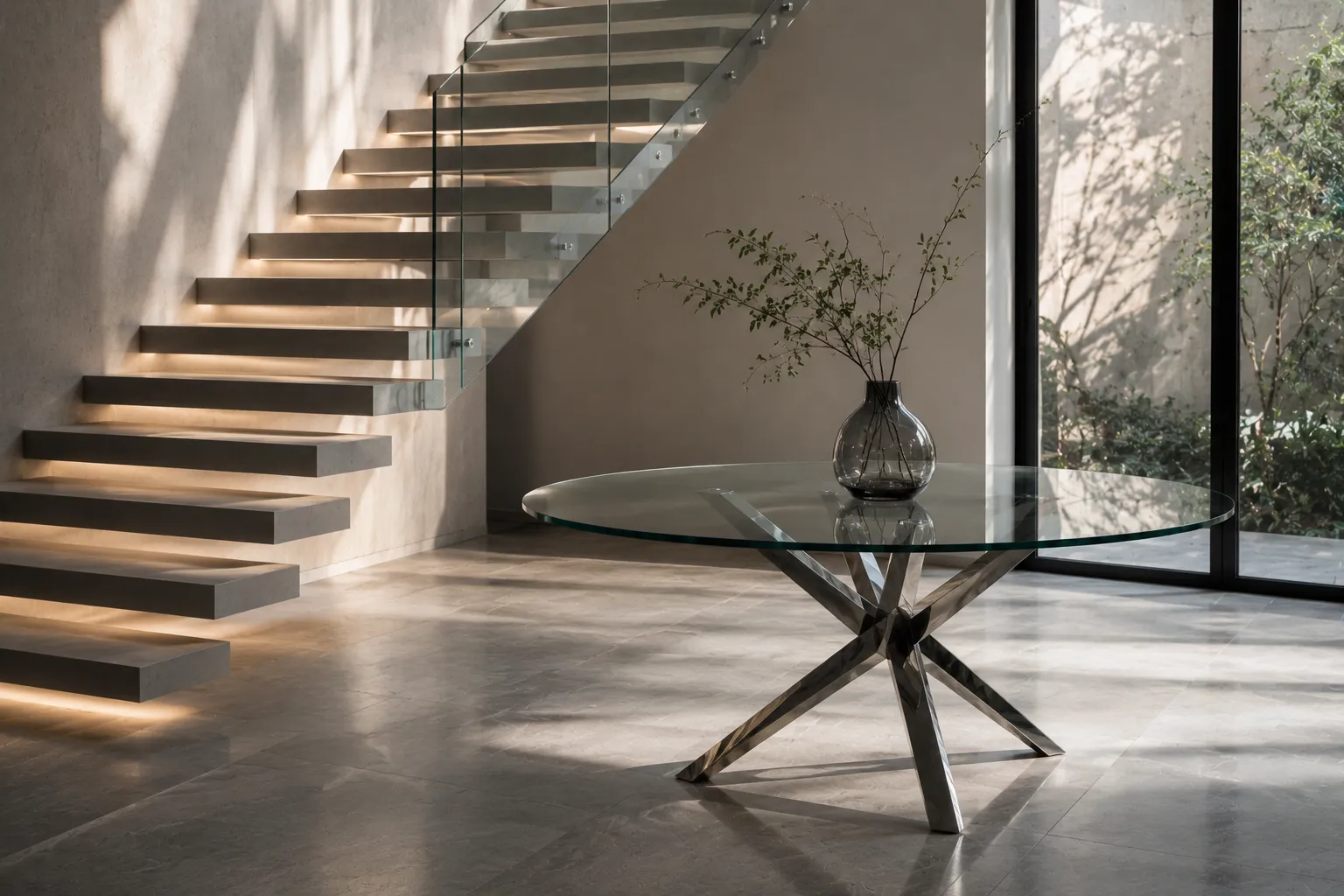
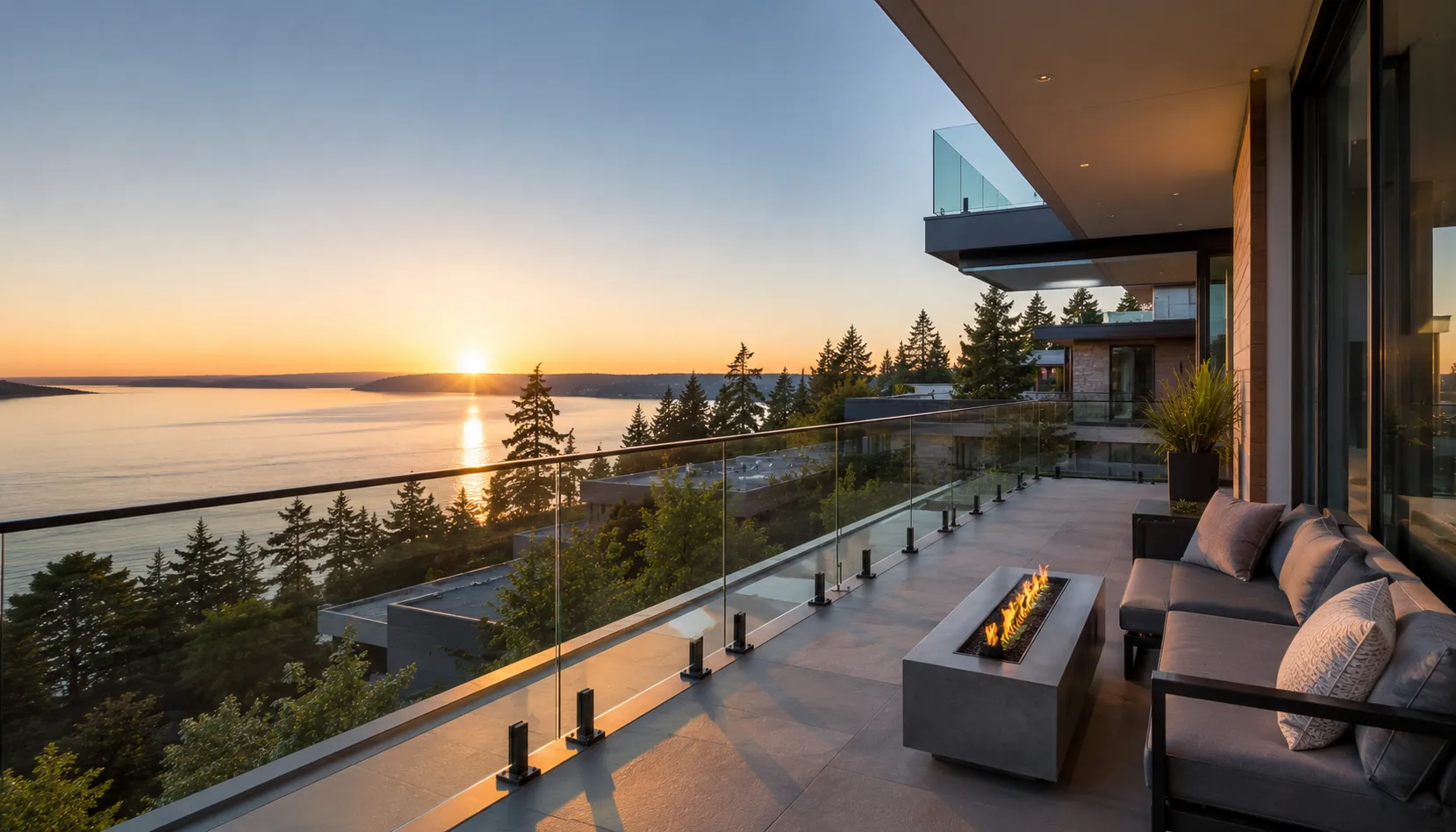
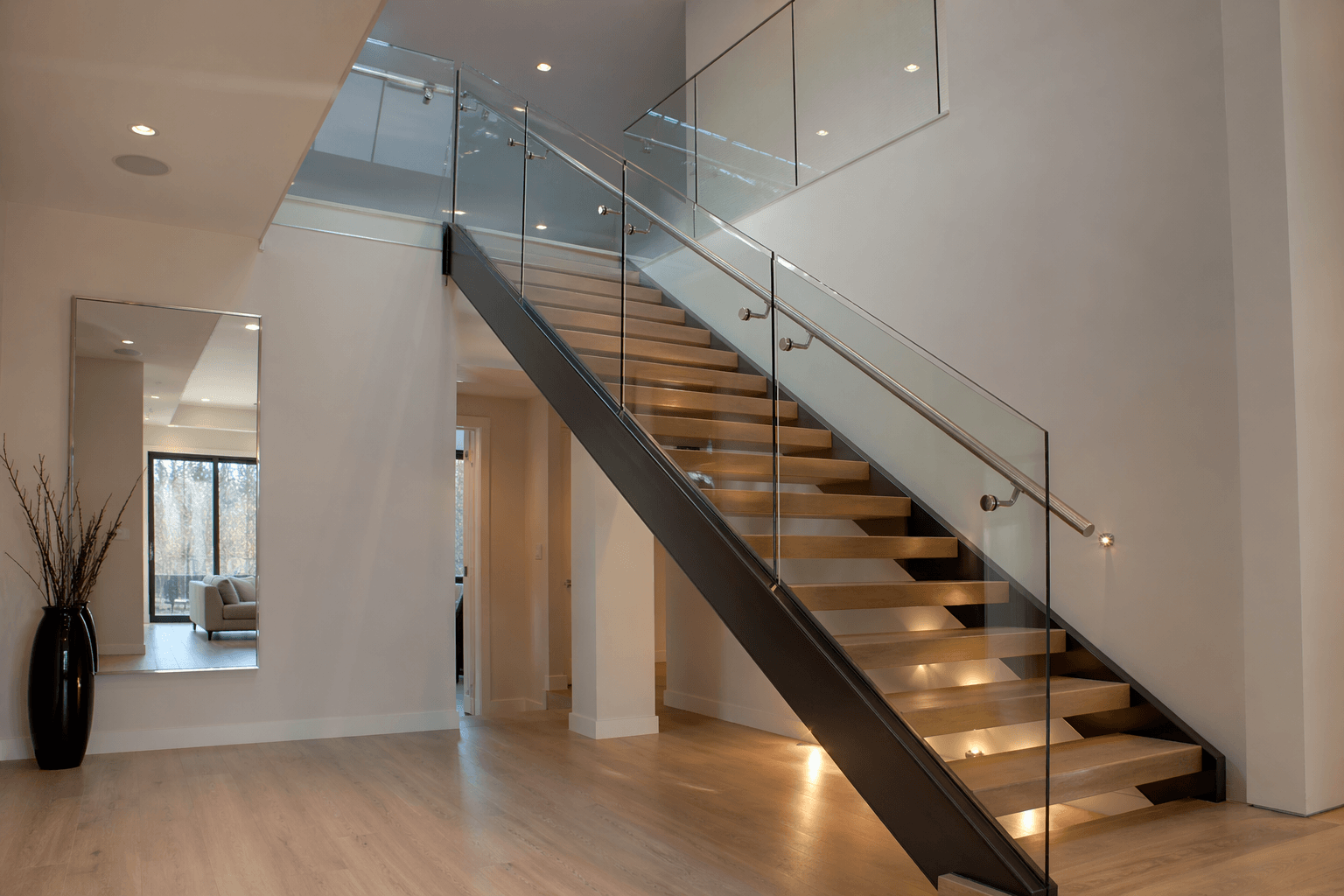
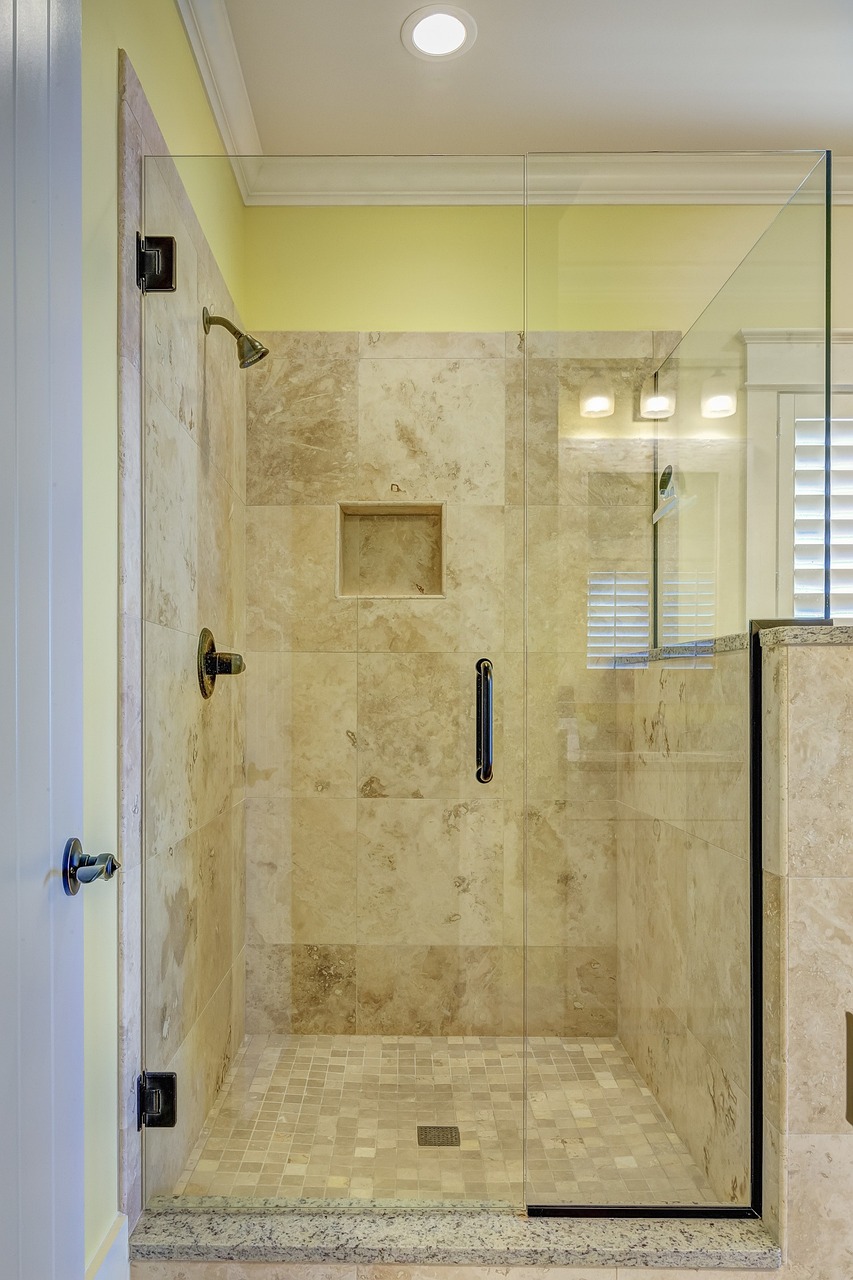
Tempered glass goes through a thermal process that makes it substantially stronger than standard glass and changes how it fails — into small rounded fragments rather than dangerous shards. For railings, doors, and partitions where safety compliance isn’t optional, it’s the baseline.
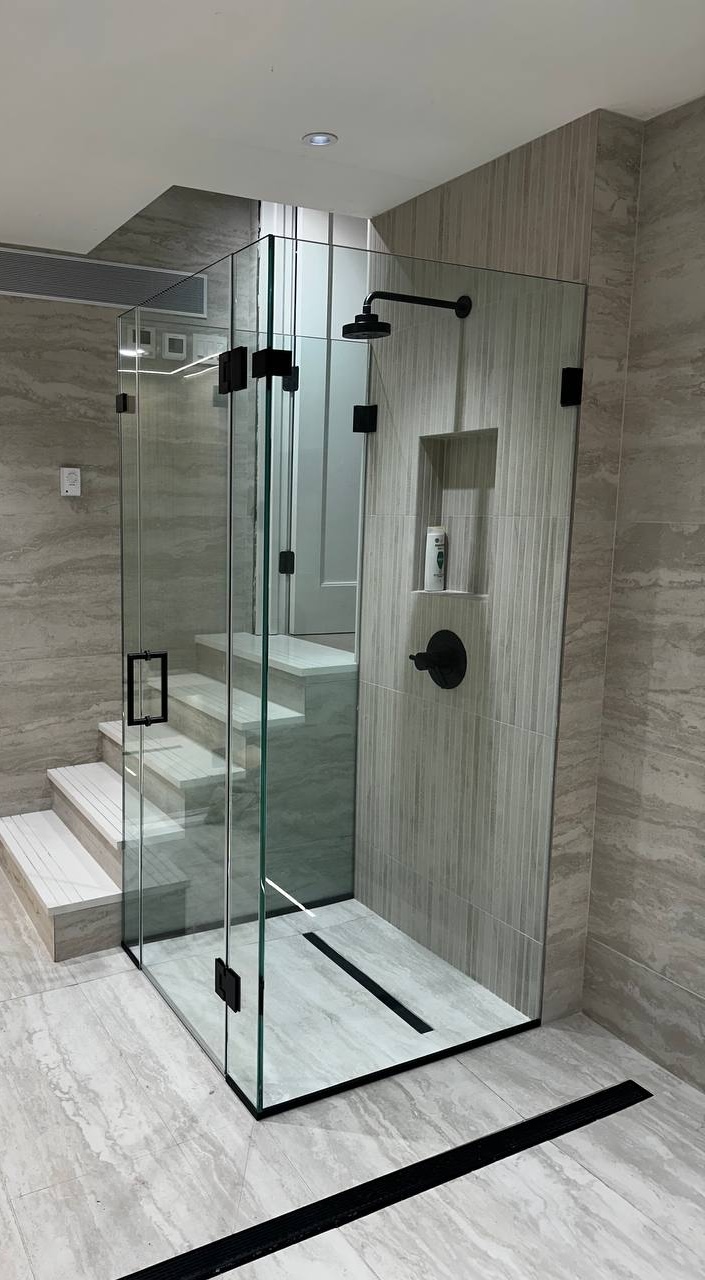
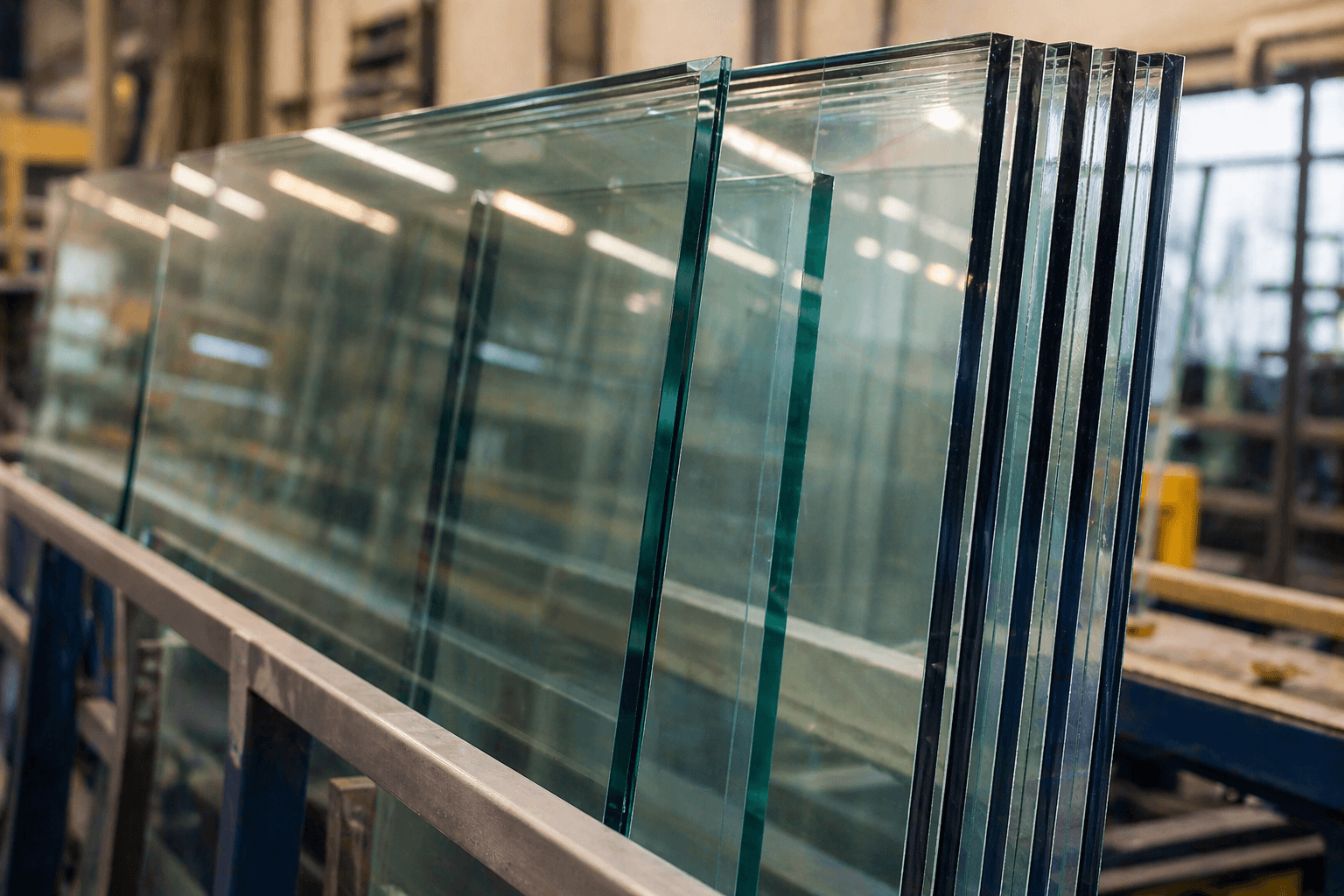
Laminated glass bonds two or more layers around an interlayer that keeps a broken panel intact instead of letting it drop — the reason it’s specified for exterior railings and elevated glass. The same layer cuts sound, which earns it a place in busy commercial interiors.
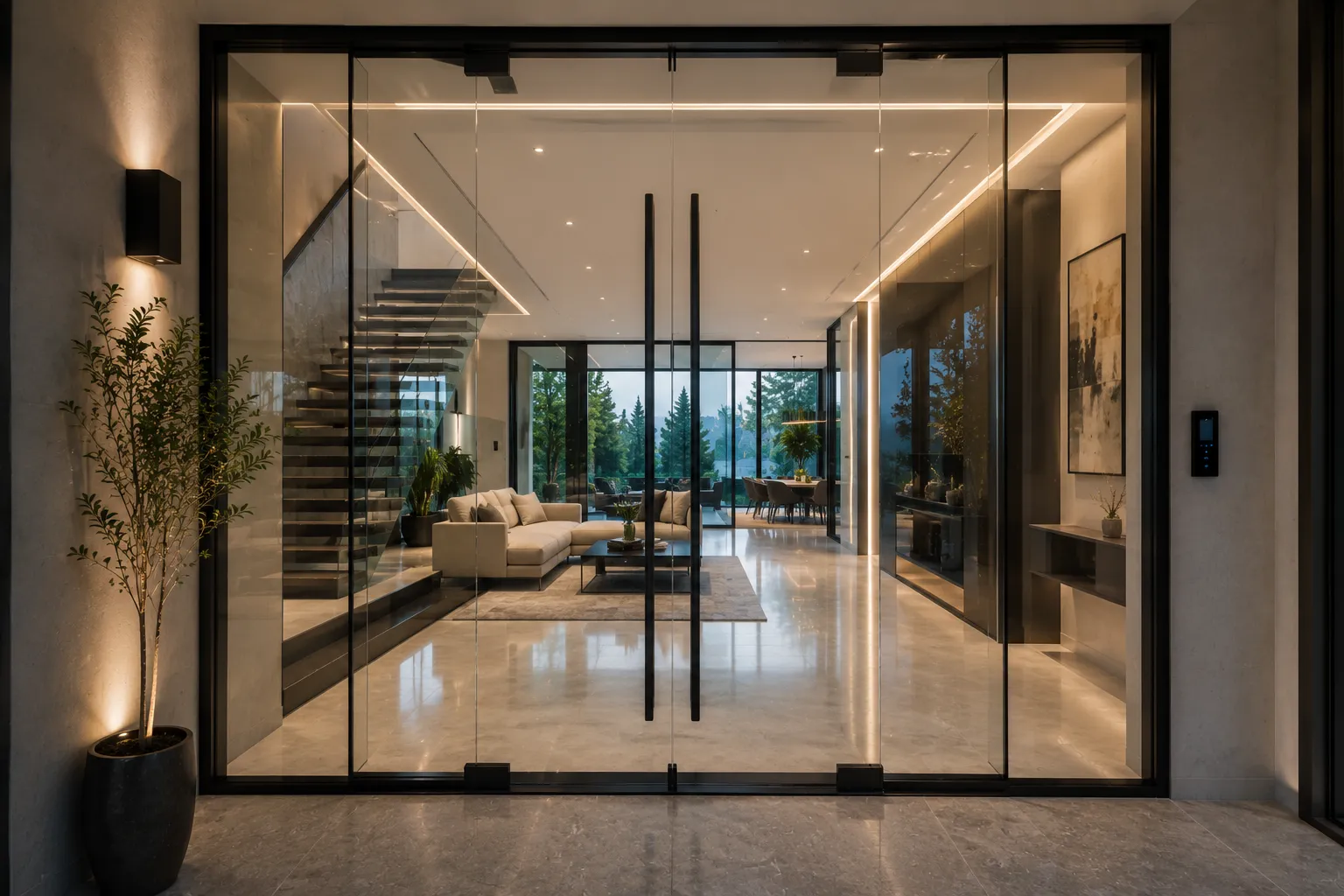
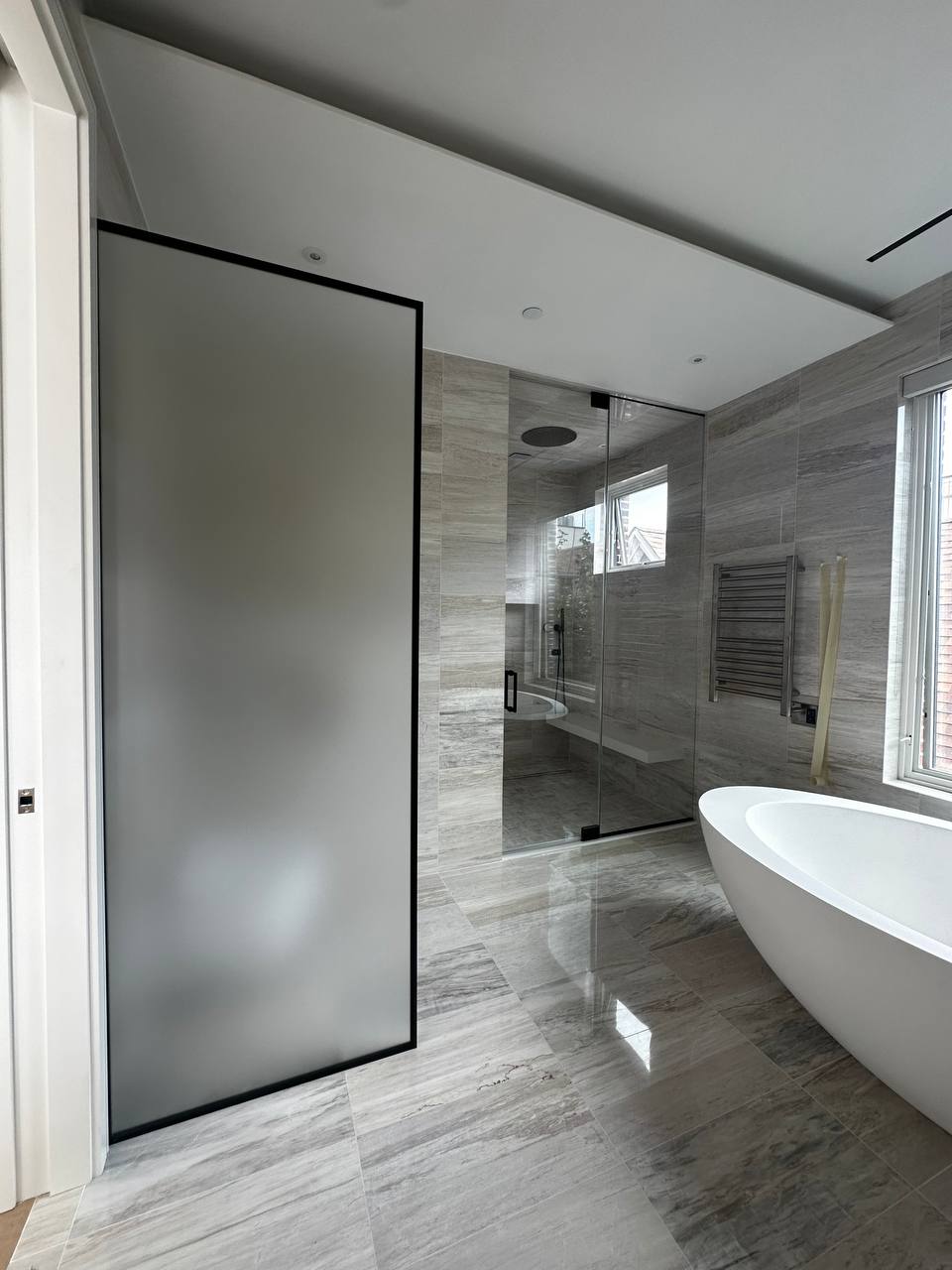
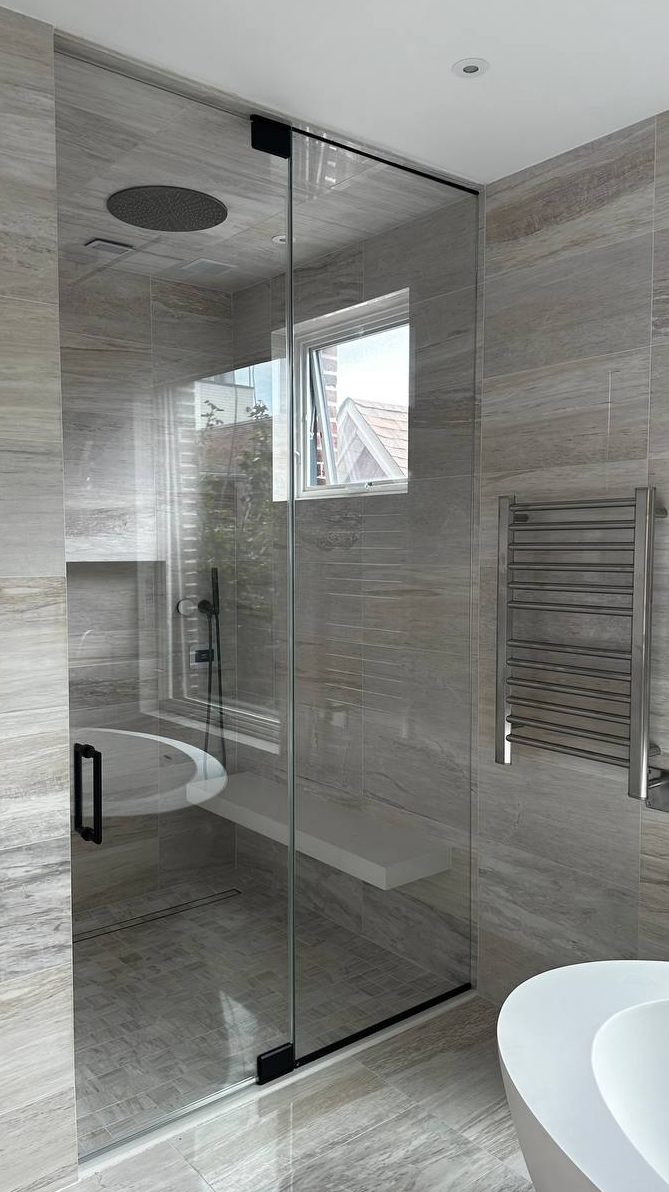
Frosted glass diffuses light to blur what’s behind it without shutting the light out — privacy that keeps a room bright. It’s the standard answer for offices and interior doors that need separation without turning into solid walls.
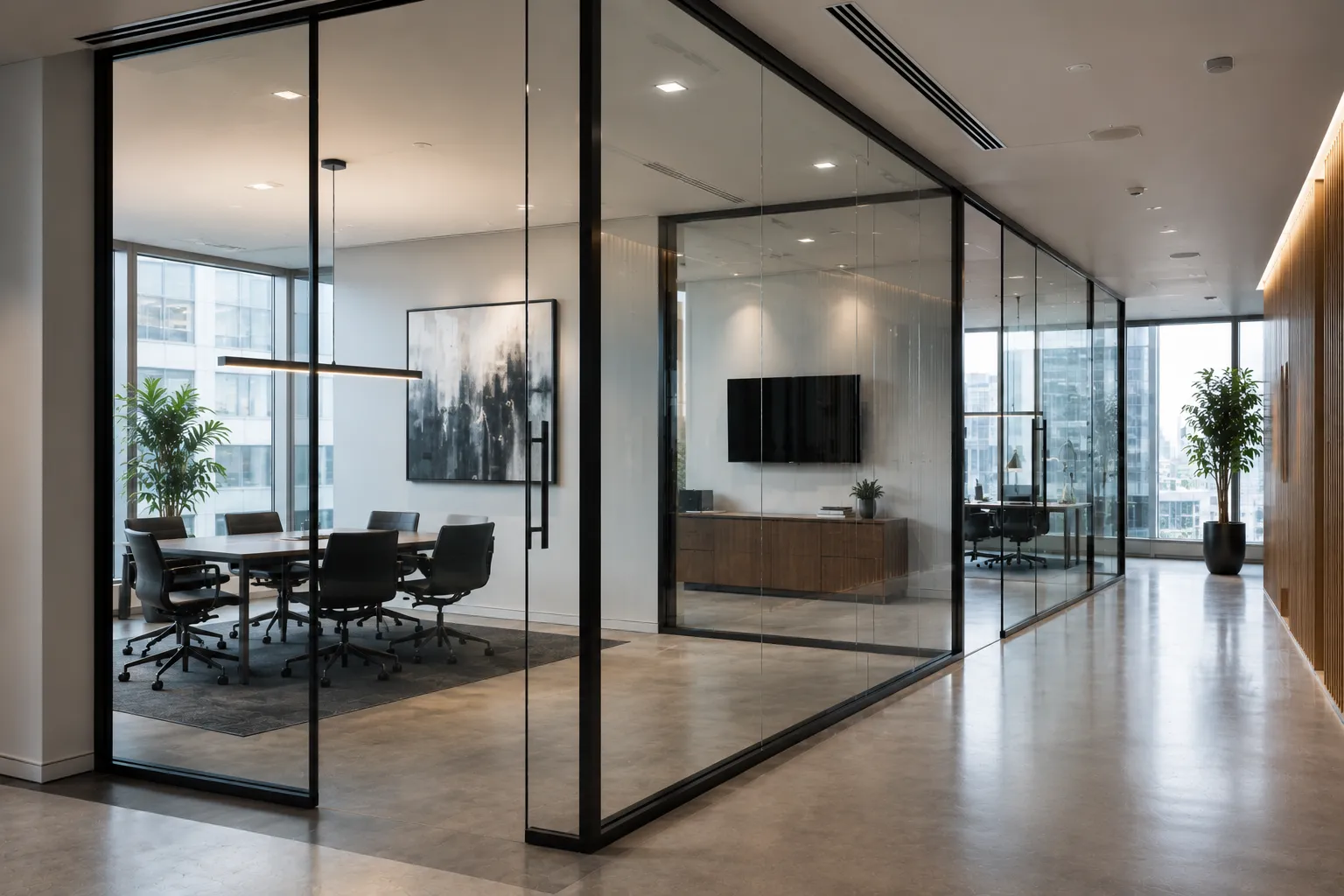
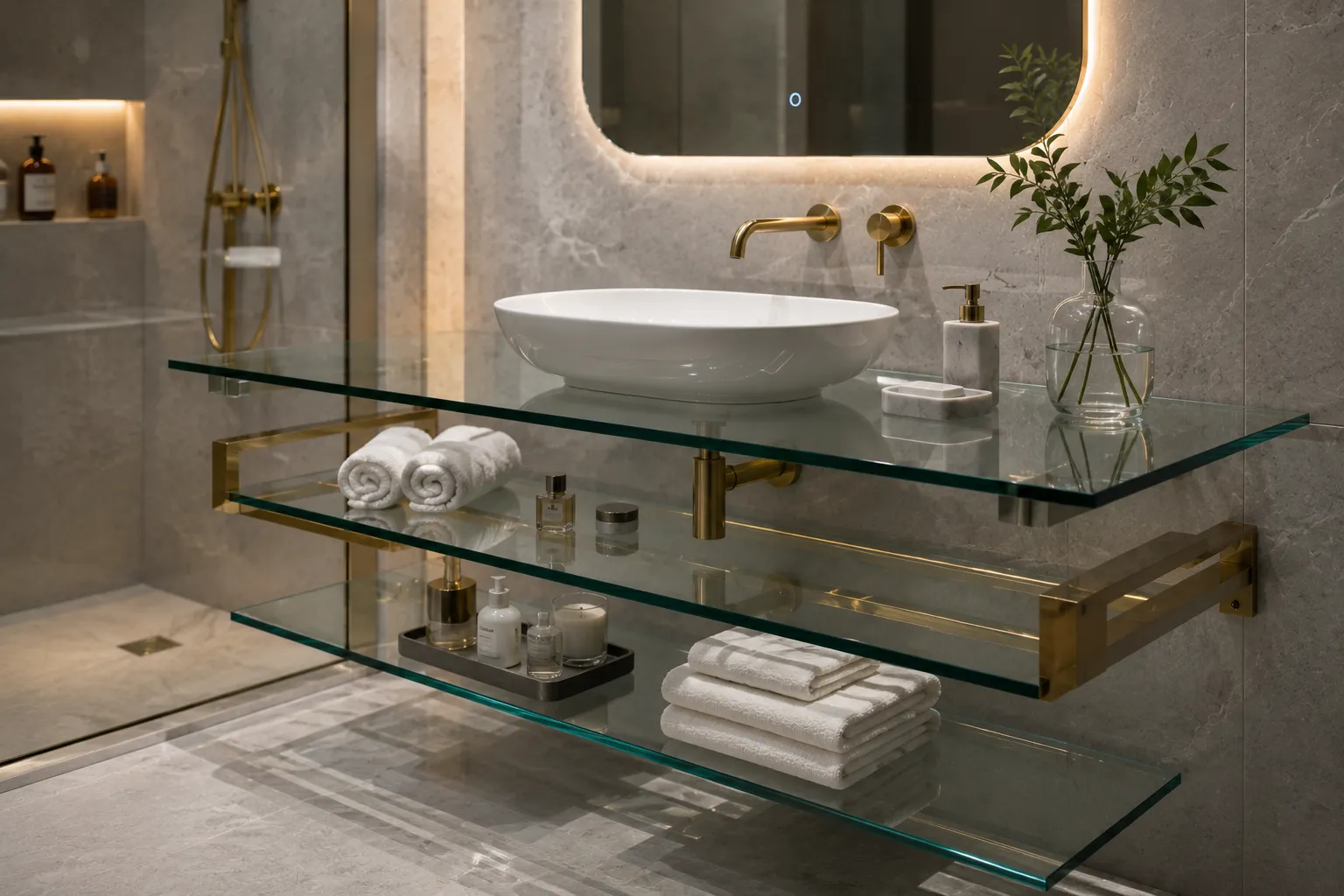
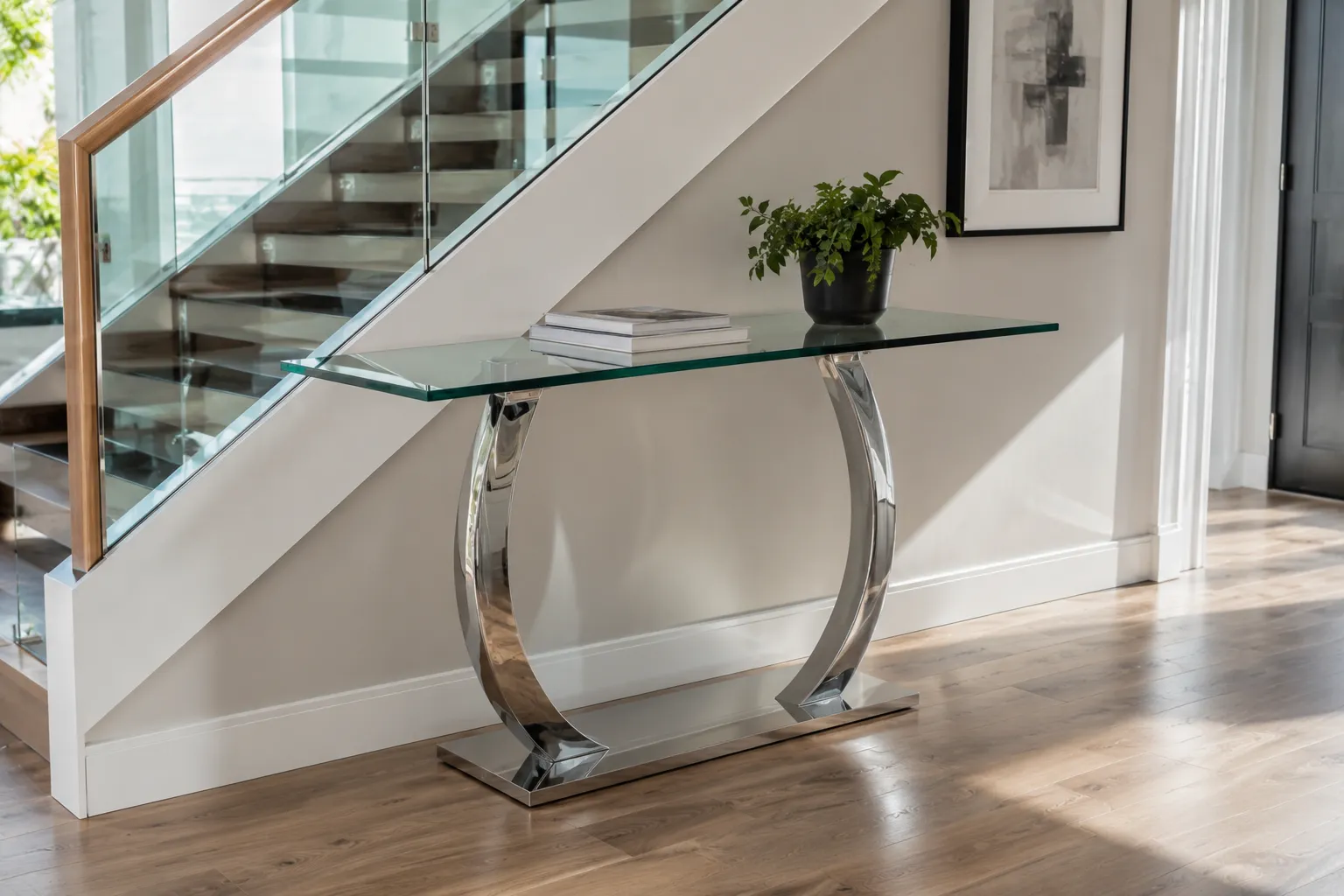
Low-iron glass strips out the green cast that standard glass shows on thick panels and exposed edges, so colors and whites render honestly. On luxury railings and custom mirrors — where clarity is the whole point — it’s the difference people actually notice.
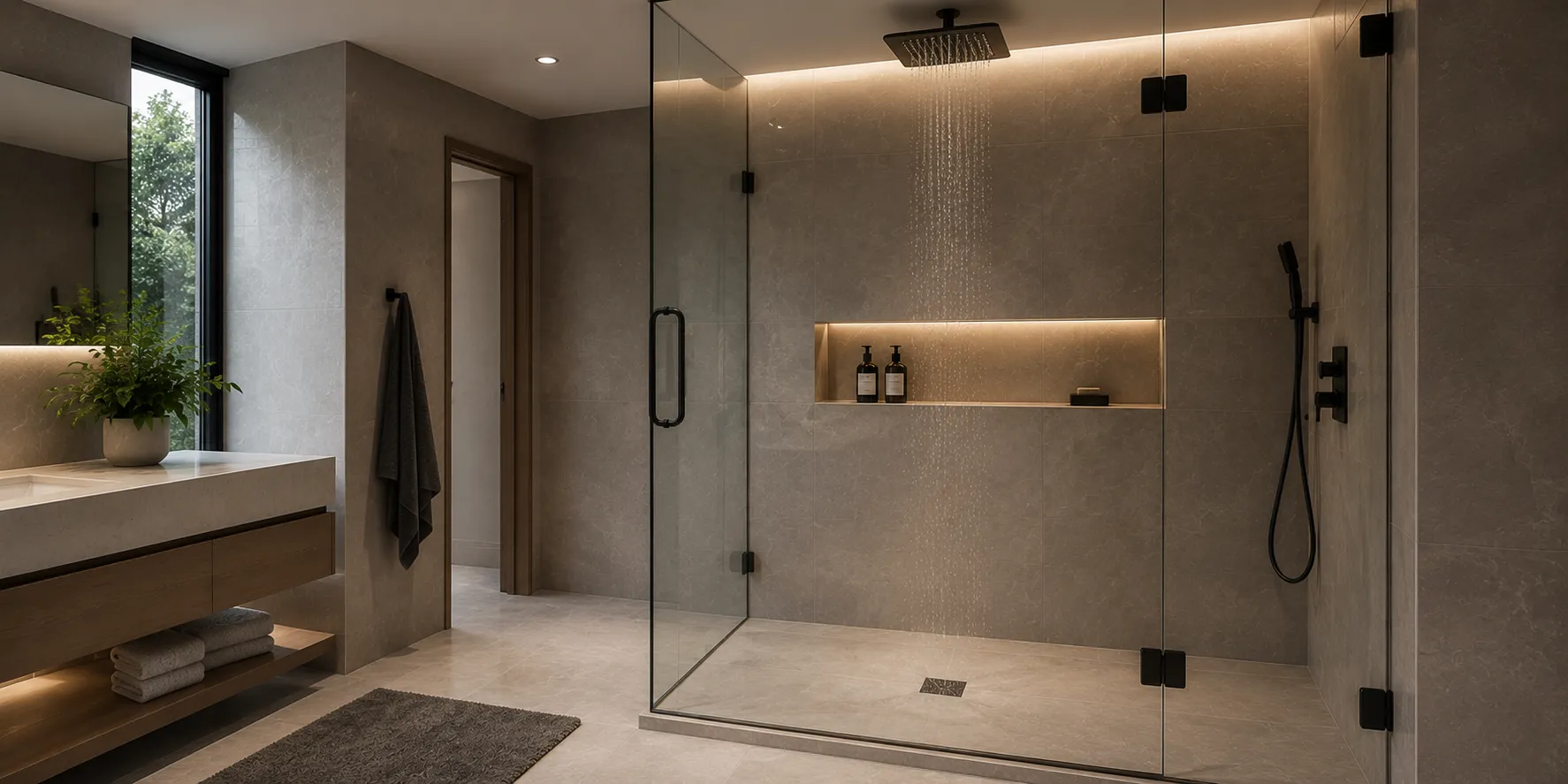
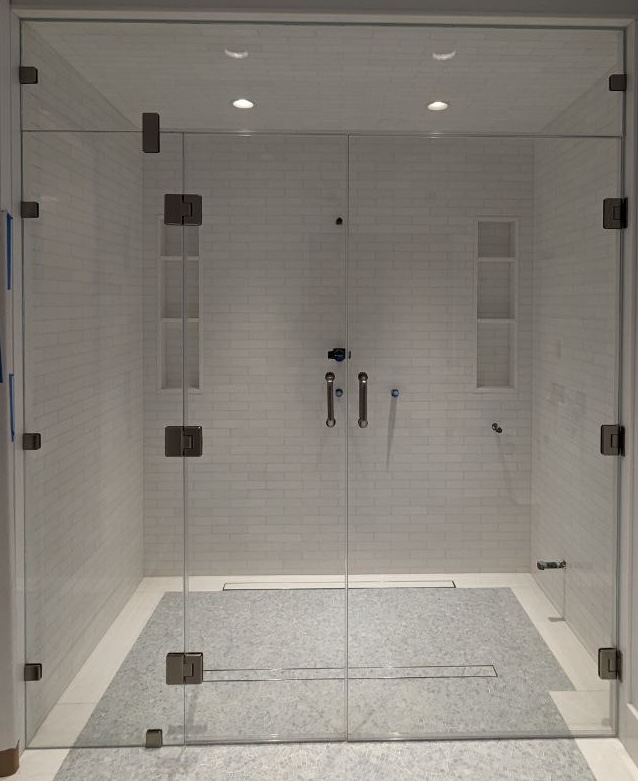
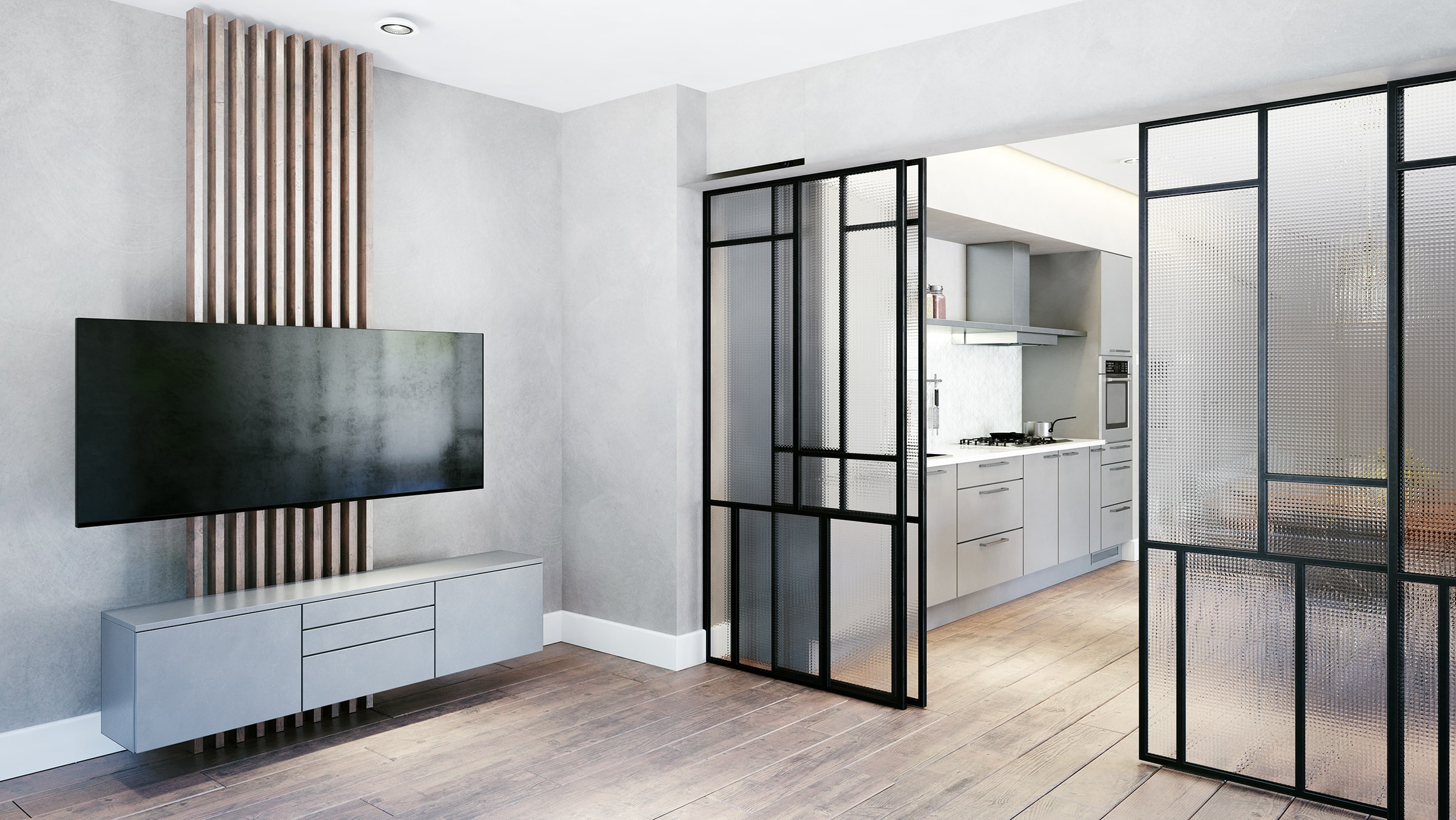
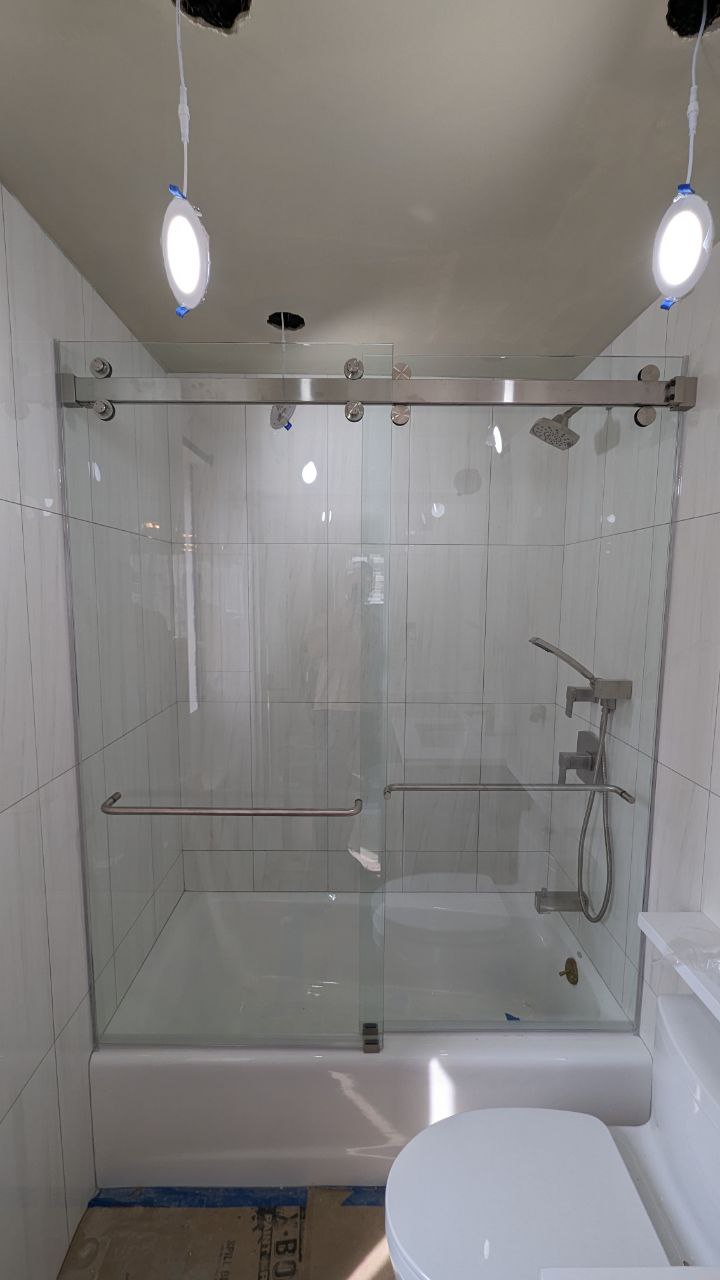
Clear float glass is the everyday workhorse — full transparency, broad use, and the best value when there’s no reason to upgrade. It covers a wide range of residential and commercial installs.
Tinted glass adds color depth while cutting glare and solar heat — as much a design choice as a functional one. It shows up in decorative and commercial installs where look and light control both matter.
Projects in New Jersey and New York run into different rules on each side of the Hudson — high-rise requirements in Manhattan, residential building codes across NJ. We evaluate structural load, layout, and the code that governs the site, then match the glass spec to it. Getting that right up front is what keeps a project safe and on schedule.
The right glass depends on safety requirements, location, design preferences, and maintenance expectations. Our team helps NJ & NY clients choose the best option for both residential and commercial projects.
| Glass Type | Primary Benefit | Typical Application |
|---|---|---|
| Tempered | Impact resistance | Railings, doors, partitions |
| Laminated | Structural safety | Partitions, exteriors, floors |
| Low-Iron | Visual clarity | Luxury railings, mirrors, interiors |
| Frosted | Privacy | Offices, bathrooms, dividers |
| Clear | Versatility | Partitions, railings, shelving |
| Tinted | Glare reduction | Facades, doors, interiors |
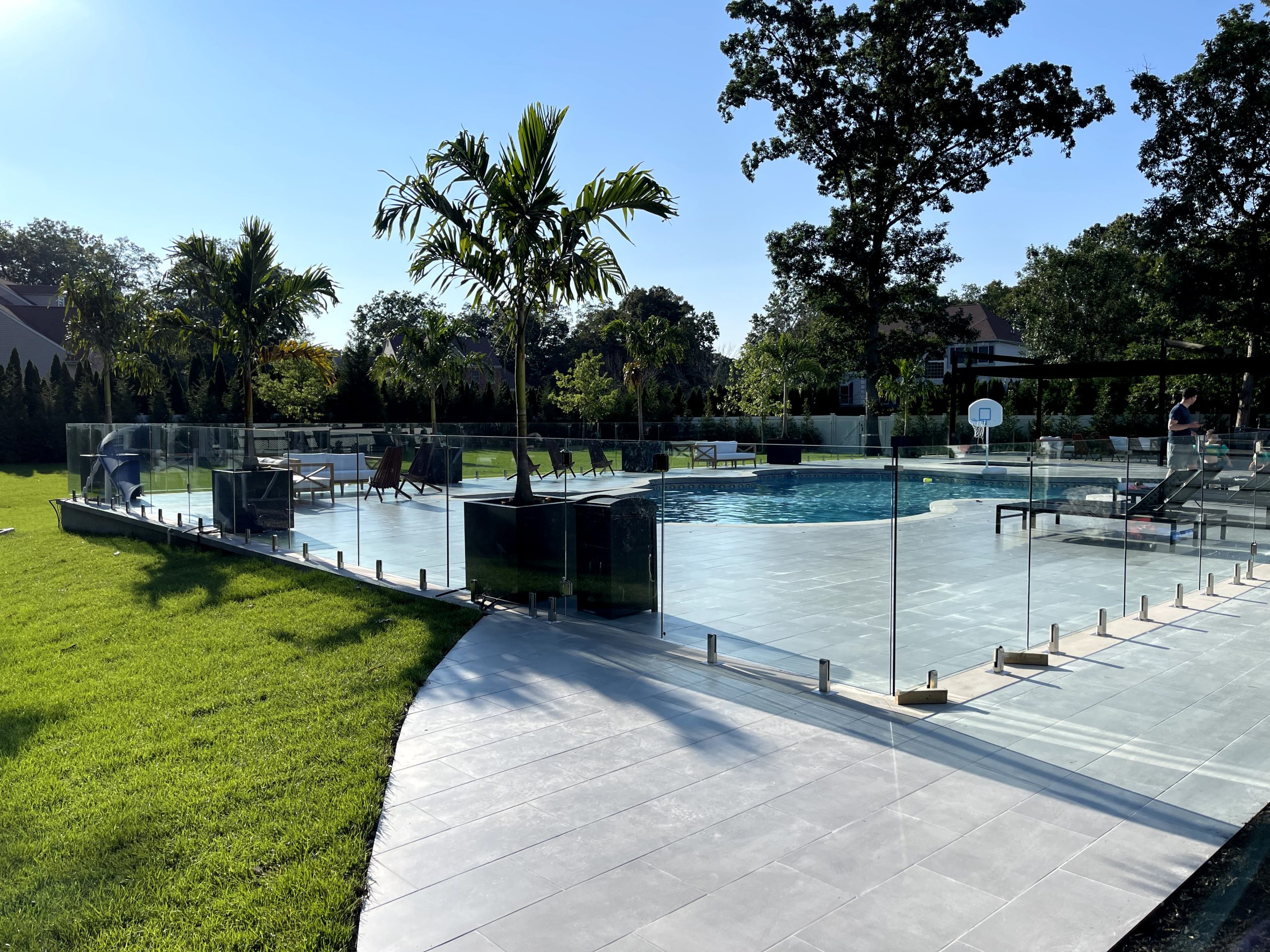
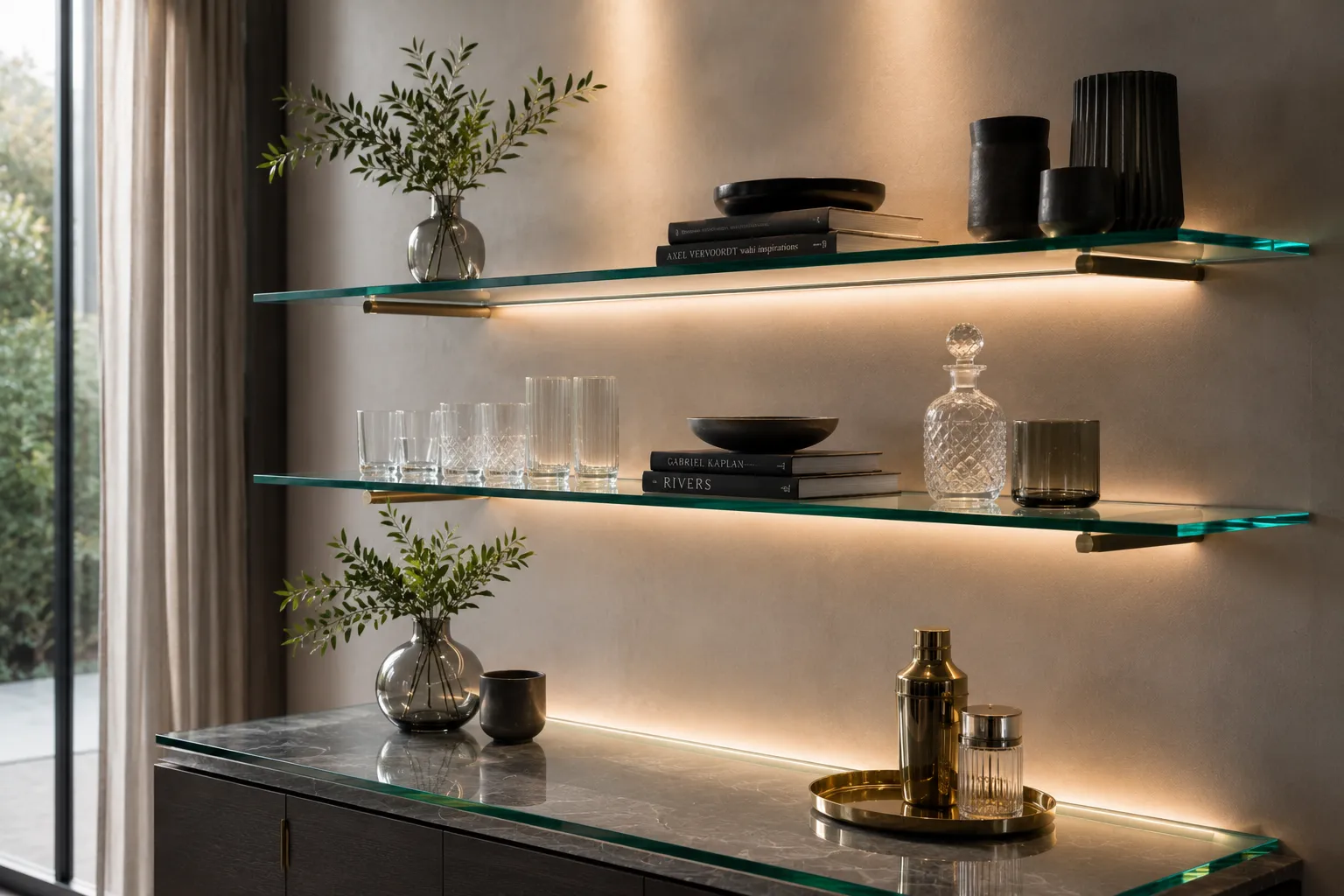
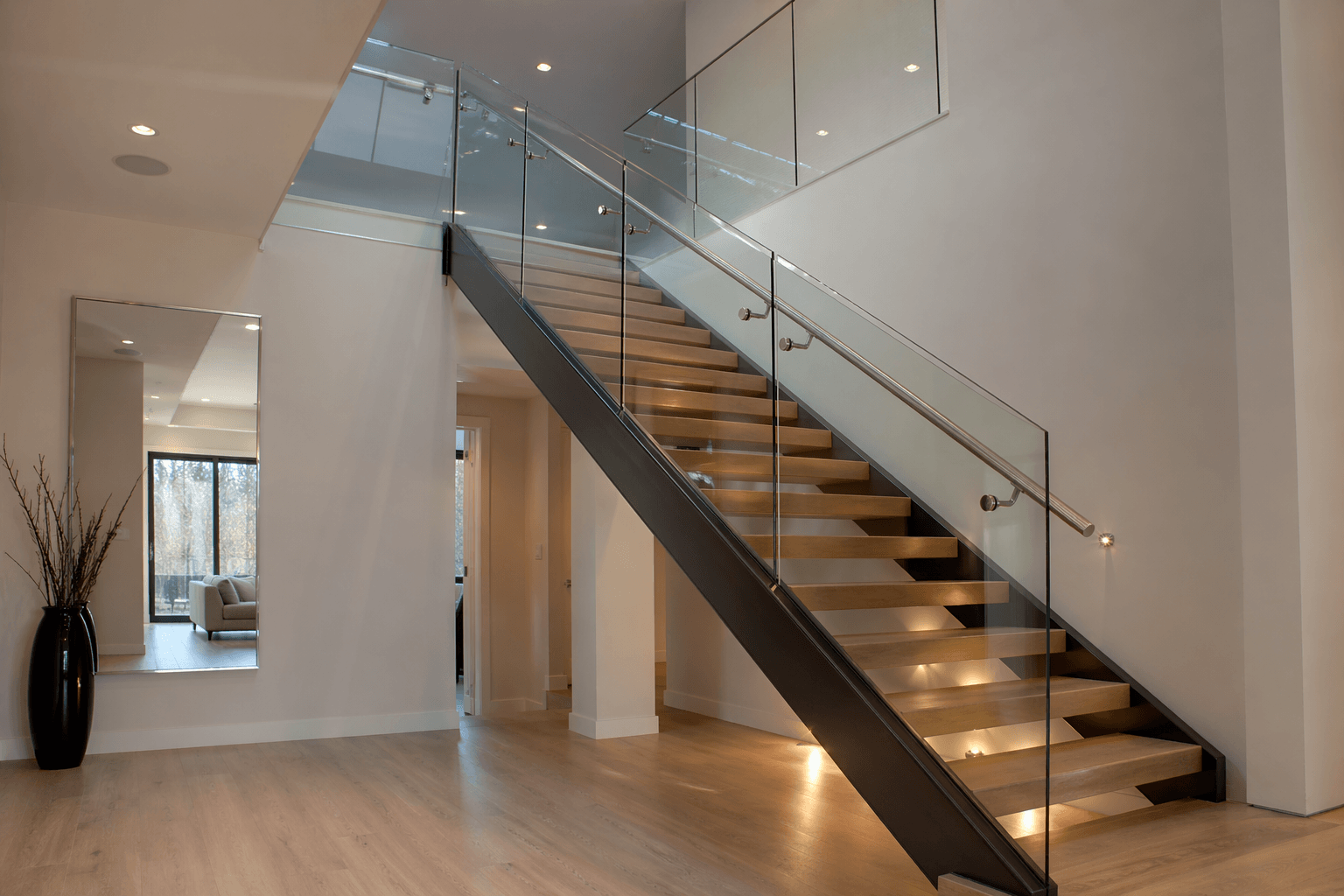
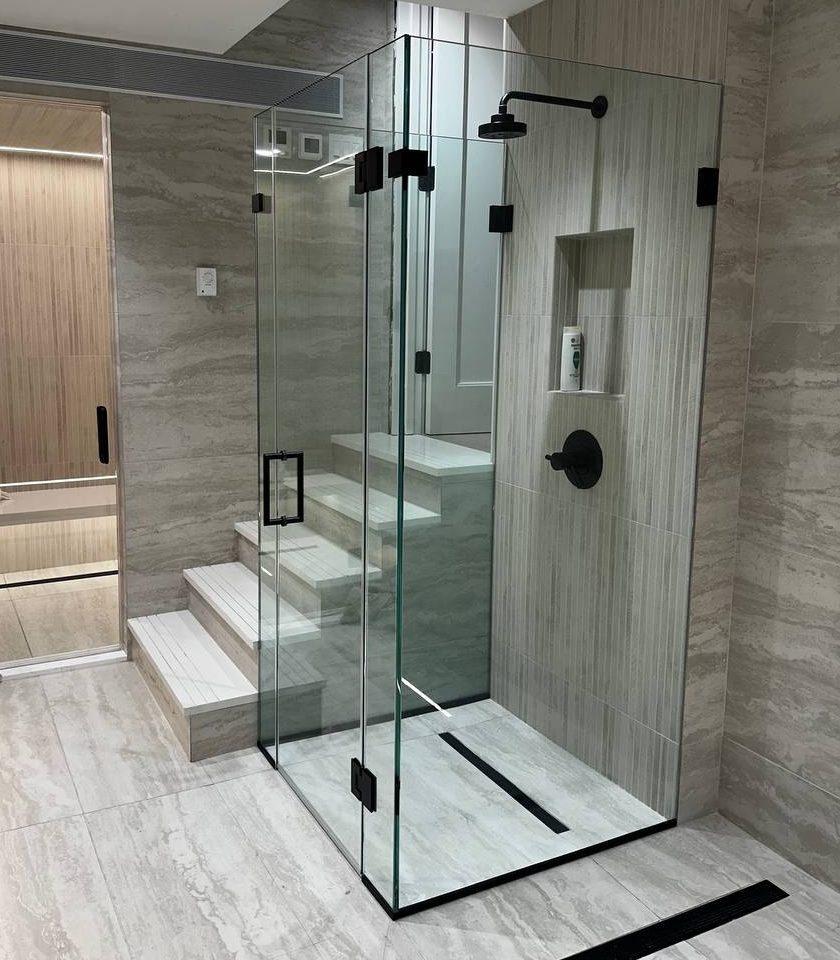
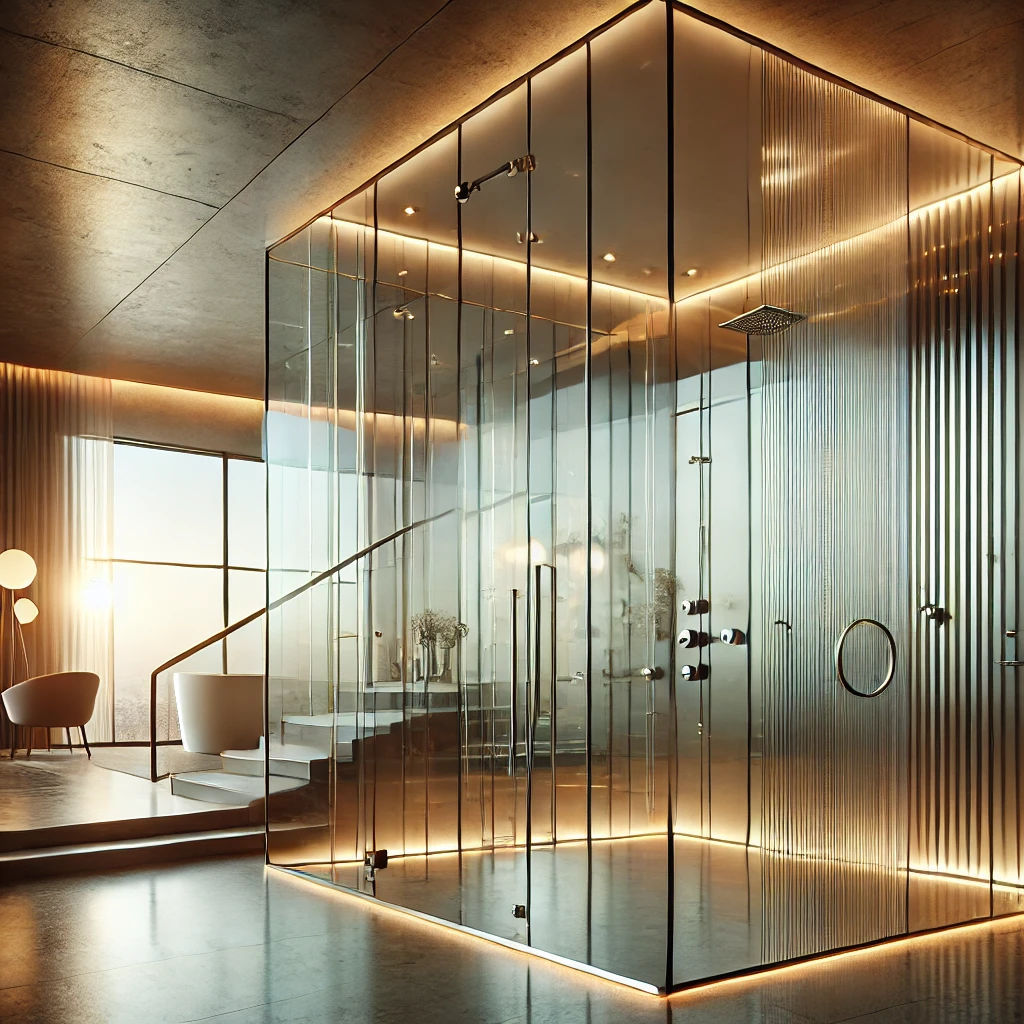
Examples of completed architectural glass installations in New Jersey and New York:

Tempered and laminated cover most safety-critical work, in different ways. Tempered is impact-strong and breaks into blunt fragments; laminated holds a cracked panel in place, which matters on elevated and overhead glass. Exterior and raised railings often call for laminated; demanding jobs use both.
It depends on where the railing is and what code applies. Interior runs often use tempered; exterior and elevated railings usually need laminated so a broken panel stays put instead of falling. We match the glass to the location and the NJ or NY code that governs it.
Typically 3/8″ to 3/4″, driven by panel size, mounting, and load. Larger free-standing frameless panels need the thicker end; base-shoe and standoff systems change the spec. We calculate it from the layout before fabrication.
Yes — the interlayer absorbs vibration a single pane passes through, which helps in offices and street-facing installs. It's not total soundproofing; edge seals matter too. But in a dense NJ or NY building it's a real improvement.
Our specialists provide consultation, precise measurement, and professional installation across NJ and NY. (929) 365-4385